How to File an FCC Complaint Against Your Wireless Carrier
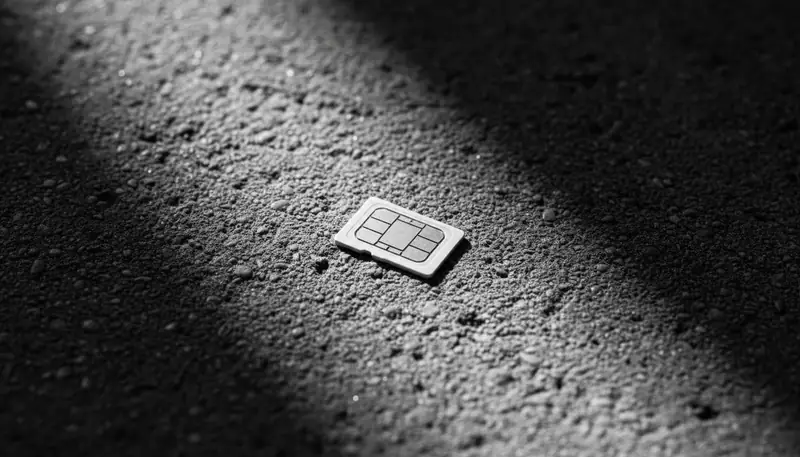
Filing an FCC complaint is free, creates a legal record your carrier must respond to, and helps regulators track systemic industry problems. Here is the complete step-by-step process.
When your wireless carrier fails you — cutting service without warning, blocking your SIM, overcharging, or ignoring your support requests — you have more power than you think. The Federal Communications Commission operates a free informal complaint system that every American can use, and it creates a legal record that forces your carrier to respond.
What the FCC Complaint Does
An FCC informal complaint is not a lawsuit. It is an official record of your dispute with your carrier that gets entered into a federal database. Carriers are legally required to respond within 30 days. The response must address your specific complaint, and the entire exchange becomes part of the public record.
Beyond individual resolution, FCC complaint data is aggregated and used to identify systemic problems with specific carriers. When hundreds or thousands of consumers file complaints against the same company for the same issue, the FCC takes notice — and can launch formal investigations.
Before You File: Document Everything
Strong documentation is the difference between a complaint that gets results and one that gets dismissed. Before filing, gather:
- 1.Dates and times of every incident
- 2.Agent names, IDs, or ticket numbers from support calls
- 3.Screenshots of account pages, error messages, and billing
- 4.Copies of chat transcripts or emails
- 5.Your account number and device IMEI
- 6.Records of any payments or charges in dispute
Step 1: Visit the FCC Consumer Complaint Portal
Go to consumercomplaints.fcc.gov. The site works on mobile and desktop. You do not need to create an account, but providing an email address ensures you receive updates about your case.
Step 2: Select "Phone" as the Issue Type
On the complaint form, select "Phone" from the available categories. Then choose the subcategory that best matches your issue: Billing, Service, Equipment, or Privacy.
Step 3: Fill Out the Complaint Form
The form asks for your contact information, your carrier's information, and a detailed description of the problem. Be specific, factual, and concise. Include dates, reference numbers, and the outcome you want. Here is a template you can adapt:
“On [DATE], [CARRIER] terminated my wireless service without warning or explanation. My phone number is [NUMBER] and my account number is [ACCOUNT]. I contacted customer support on [DATES] and spent [HOURS] attempting resolution. Representatives provided contradictory information and refused escalation. My service remains interrupted. I am requesting immediate service restoration and a refund for the period without service.”
Step 4: Submit and Save Your Case Number
After submitting, you will receive a confirmation page with a case number. Save this number. Screenshot it. Write it down. The FCC will communicate with you via email about status updates, and your carrier will be required to respond directly to the complaint.
Step 5: Monitor Your Case
The FCC will forward your complaint to your carrier, who has 30 days to respond. Monitor your email for updates. If your carrier responds with a resolution, evaluate whether it is satisfactory. If not, you can reply through the FCC portal to escalate.
Important Warning: The Process Has Gaps
The FCC informal complaint system has structural limitations you should be aware of. Cases can be closed administratively due to procedural timeouts — not because the issue was resolved. The FCC response team may try to reach you by phone, which is useless if your complaint is about losing phone service. And closing a complaint does not legally require the carrier to fix the problem.
“Closed ≠ Resolved. A procedural timeout is not accountability. Document everything before you file — and keep copies offline.”
Escalate Further: BBB and State AG
For additional pressure, file complaints with the Better Business Bureau (bbb.org) and your state Attorney General's consumer protection office. These create parallel records and additional public visibility. Some state AGs are particularly aggressive about pursuing telecommunications complaints.
Related Reading
 Investigation
Why TracFone Keeps Failing Customers: A Pattern of Neglect
TracFone, now owned by Verizon, promises affordable wireless service. But thousands of customers are reporting a disturbing pattern of service failures, SIM blocks, billing fraud, and customer support that simply disappears when you need it most.
READ ARTICLE Stories
Prepaid Wireless Horror Stories: When MVNOs Go Wrong
Prepaid wireless customers share their most terrifying carrier experiences — from sudden service loss during medical emergencies to billing fraud that drained bank accounts. These are the stories the industry does not want you to read.
READ ARTICLE